

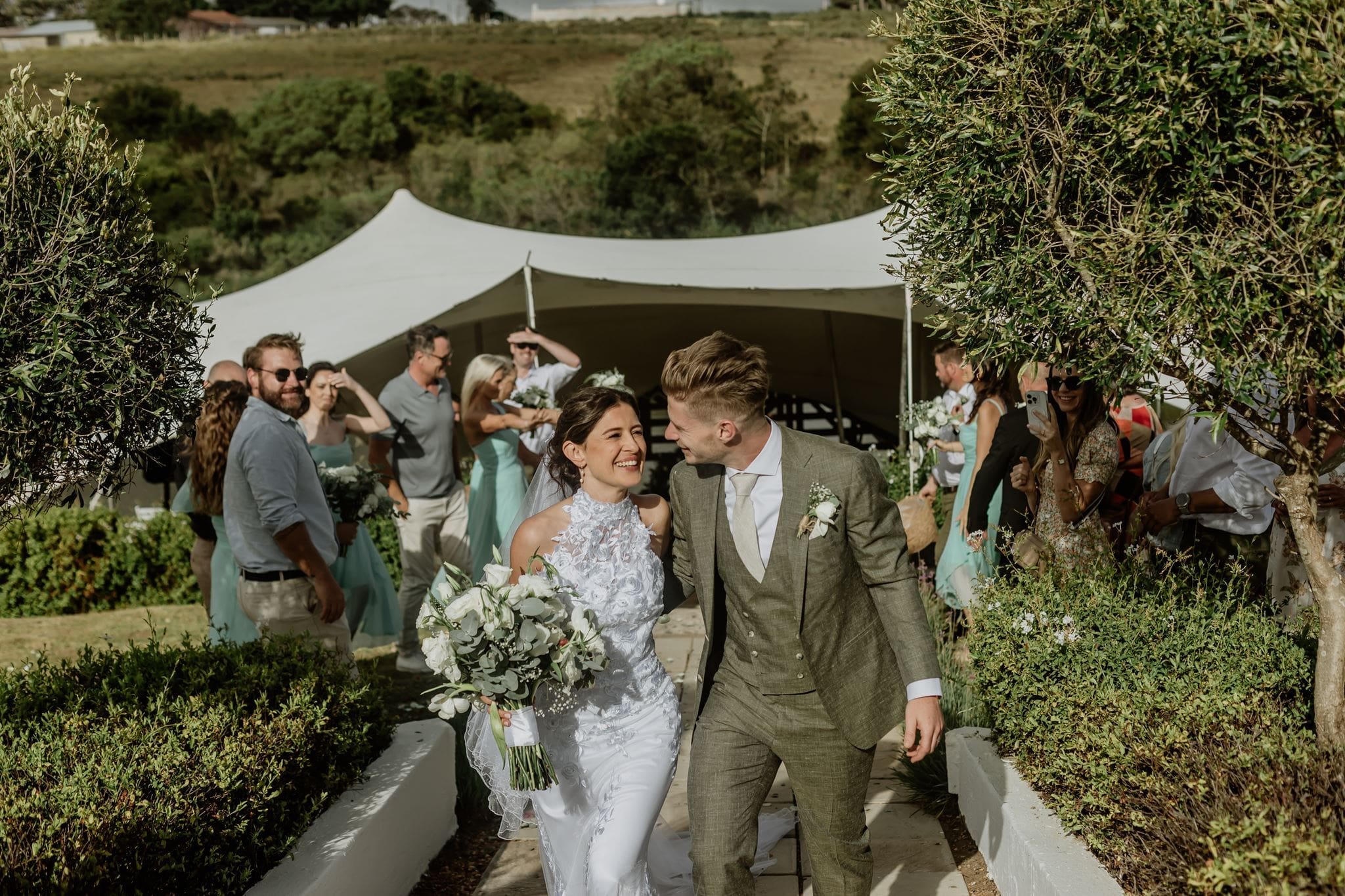
The Wedding Photography Timeline: How to Get Beautiful, Candid Photos Without Spending Your Whole Wedding Posing
You want beautiful wedding photographs. You also want to actually enjoy your wedding.
You want the portraits, the happy tears, the photographs with your favourite people and the champagne-filled moments that happen when the formalities are finally over.
What you probably don’t want is to spend the entire day checking the time, being pulled away from your guests or wondering whether you’re standing correctly.
The good news? A thoughtful wedding photography timeline can make room for both beautiful photographs and a wedding day that feels like your own.
As a wedding photographer in Gqeberha, I believe the best photographs happen when there is a balance between planning and allowing things to unfold naturally.
Here’s how to approach your timeline.
Start with the experience you want to have
Before deciding when to take photographs, think about how you want your wedding to feel.
Do you want a slow, relaxed morning with music playing while everyone gets ready? A lively celebration with your favourite people gathered around a long table? A sunset ceremony followed by dinner and dancing?
Perhaps you want a little of everything.
Your timeline should support the experience you’re creating, rather than forcing you into a schedule that looks good on paper but leaves you rushing from one moment to the next.
Start with the fixed points: your ceremony time, venue arrangements, reception plans and any important traditions. Then work with your photographer and other vendors to fit the photographs around those priorities.
Give your getting-ready photographs room to breathe
The morning of your wedding often contains some of the most personal moments of the day.
A friend helping with a button, a parent seeing you dressed, your partner reading a letter or everyone laughing about something that will become a family story.
These photographs benefit from a little breathing room.
Have your details ready if you want them photographed, and allow time for hair, makeup and getting dressed to finish without a last-minute rush.
Natural window light, a reasonably tidy space and a few minutes without unnecessary interruptions can also help.
You do not need to stage an elaborate morning. You simply need to give yourself permission to enjoy it.
Build your ceremony timeline around the light
Light is one of the biggest influences on how wedding photographs look.
An outdoor ceremony in strong midday sunshine presents different challenges from a late-afternoon garden wedding or an indoor ceremony with soft window light.
When choosing your ceremony time, consider the season, your venue, the direction of the sun and the amount of natural shade available.
In Gqeberha, coastal conditions and changing weather can also influence your plans.
Ask your photographer to help you assess the setting and recommend a realistic timeline. A little consideration before the wedding can make a meaningful difference to your portraits and the photographs of your ceremony.
There is no single perfect ceremony time for every wedding. The right choice depends on your venue, season, priorities and the experience you want to create.
Plan for family photographs without turning them into an event of their own
Family photographs are important. They can also become surprisingly time-consuming when nobody knows where to stand or which group comes next.
Before the wedding, make a short list of the family combinations that genuinely matter to you.
Keep the list manageable and identify a family member who can help gather people when needed. Share the plan with your photographer in advance.
This gives you the opportunity to include the people you love without losing a large part of your celebration to organising groups.
And remember: you can have beautiful family photographs without photographing every possible combination of every possible relative.
Choose the ones you’ll be glad to have.
Make time for couple portraits, but keep them personal
Your couple portraits do not need to take hours.
A well-planned portrait session can include a few considered photographs, a little movement, some quiet time together and the opportunity to use the setting creatively.
What matters is allowing enough time to work without rushing.
Your photographer may guide you towards beautiful light, suggest where to walk or help you settle into a comfortable pose. You can bring references and ideas, too.
Think of these photographs as a collaboration rather than a performance.
You don’t have to arrive knowing what to do. You just need to be willing to spend a little time together, away from the noise of the day.
Leave space for the photographs you cannot plan
Some of the most meaningful wedding photographs happen between the scheduled events.
Your partner’s reaction during a speech. Friends dancing before anyone officially opens the dance floor. A grandparent watching the ceremony. The two of you laughing over dinner.
These moments cannot be added to a shot list because they happen on their own time.
A generous timeline gives your photographer room to observe them, while allowing you to experience your wedding without feeling that every minute needs to be directed.
Not every photograph needs to be orchestrated to be beautiful.
Let the reception be a reception
Once the formalities are over, let yourself be present.
Enjoy the food. Hug your friends. Dance with your family. Spend time with the people who travelled to celebrate you.
If there are particular reception photographs you care about, discuss them beforehand. Your photographer can help plan for speeches, the first dance, a cake cutting or any other meaningful traditions.
You do not need to interrupt the celebration repeatedly to create photographs that feel alive.
Often, the most wonderful images come from allowing the party to happen.
What does a wedding photography timeline actually look like?
Every wedding is different, but this example illustrates how an eight-hour photography booking might be structured. It is a planning guide, not a fixed schedule.
| Approximate time | What happens |
|---|---|
| Hour 1 | Getting ready, details and the final preparations |
| Hour 2 | Getting dressed, personal moments and a first look if planned |
| Hour 3 | Ceremony and immediate congratulations |
| Hour 4 | Family photographs and couple portraits |
| Hour 5 | Reception entrance, dinner and guest interactions |
| Hour 6 | Speeches and spontaneous moments |
| Hour 7 | First dance, celebration and dance floor |
| Hour 8 | Final planned photographs and the energy of the evening |
Your ceremony and reception may fall in a different order, and you may prefer to spend more time on one part of the day than another.
The point is not to fit your wedding into this example. It is to use the timeline as a starting point for a conversation with your photographer.
Five things to discuss with your photographer before the wedding
Before finalising your schedule, ask:
How much time should we allow for couple portraits at our venue?
What time of day will offer the best opportunities for photographs?
Which parts of our wedding are most important to us to document?
How can we organise family photographs efficiently?
What happens if the ceremony, speeches or weather run behind schedule?
These conversations help you make informed decisions before the day arrives, they also help your photographer understand what matters to you, so the photographs reflect your priorities rather than a generic checklist.


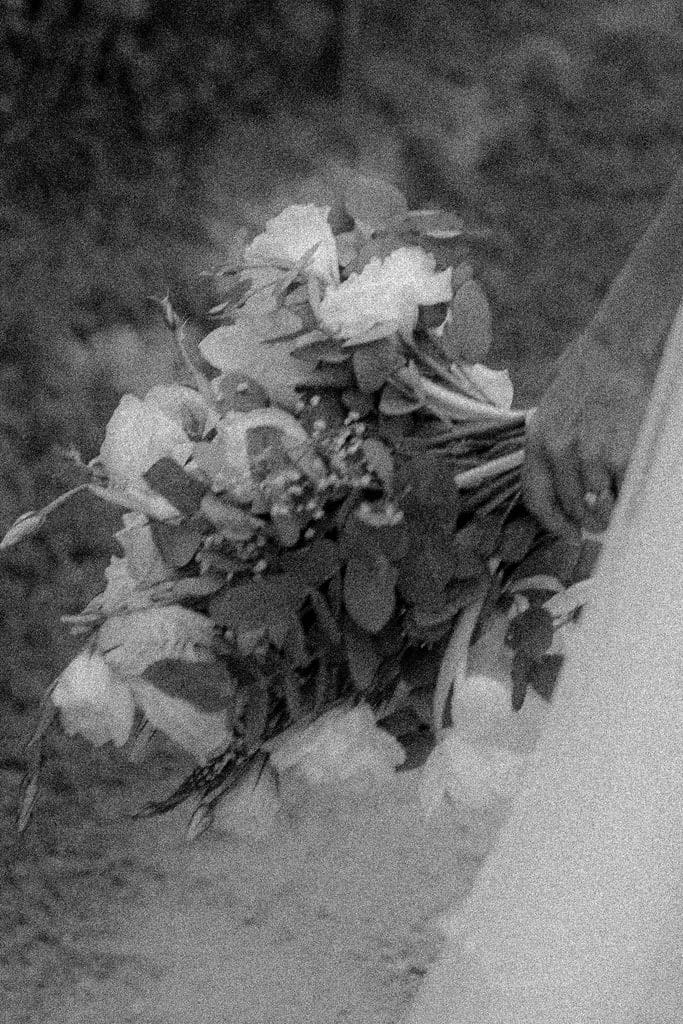
Your wedding is not a photoshoot
At Boundless Hearts Photo, we want couples to have photographs that bring them back to the feeling of their wedding day that means making considered creative decisions, helping you feel comfortable in front of the camera and leaving room for the real moments that make your relationship yours.
We can plan for beautiful portraits. We can think about the light, the setting and the flow of your day and then we can leave room for life to happen.
Whether you’re planning a garden celebration, an intimate wedding, a beach ceremony or an elopement in the Eastern Cape, a thoughtful photography timeline can help you create the space for both beautiful imagery and genuine connection.
Continue planning your wedding story:
Explore the Boundless Hearts Photo galleries.
Learn about wedding and elopement photography collections.
Read the Boundless Hearts Photo journal.
Enquire about your wedding date.
Plan enough to feel prepared. Leave enough room to be present. Let the photographs hold on to the rest.


View comments
+ Leave a comment